
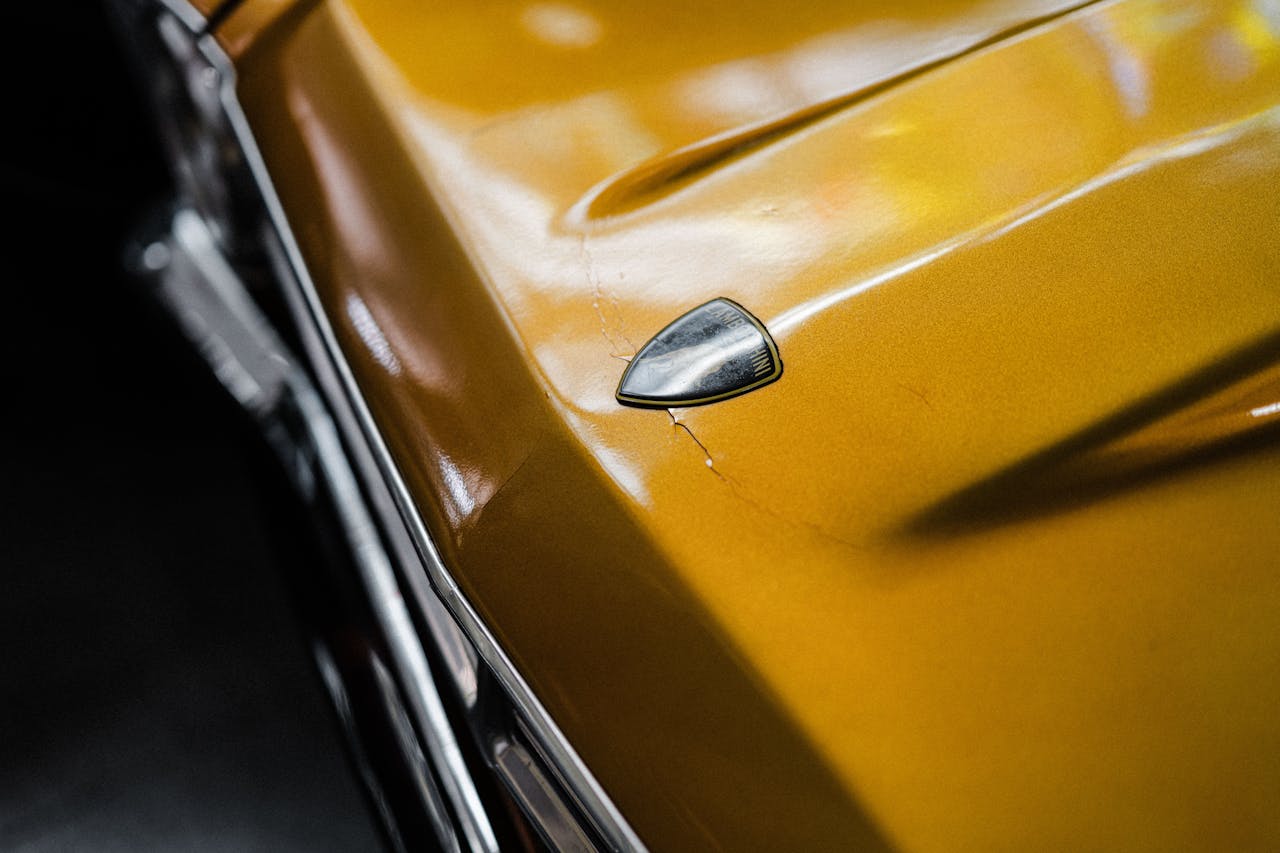
Automotive body damage is one of the most common issues vehicle owners face, especially in busy urban environments where minor collisions, tight parking spaces, and road debris are part of daily driving. While damage can look alarming at first glance, many cases are far less severe than they appear. Modern repair methods allow technicians to restore vehicles without resorting to expensive full part replacements.
For many drivers, finding a reliable service often starts with searching for scratch and dent repair near me when unexpected damage appears. What most people don’t realise is that today’s repair industry has advanced significantly, focusing on precision restoration rather than unnecessary component swaps. This shift not only saves money but also helps maintain the vehicle’s original structure and factory finish.
Understanding how these repairs are performed can help car owners make informed decisions. It also reduces the risk of overpaying for work that could have been resolved through simpler, more efficient techniques.
Understanding Scratch and Dent Repair Process
Scratch and dent repair is a structured process designed to correct surface and shallow body damage without replacing entire panels. Technicians assess the depth, location, and severity of the damage before deciding on the most suitable correction method.
In many situations, the paint layer is only partially affected, meaning the underlying metal or plastic remains intact. This allows for targeted correction rather than full dismantling of body components.
When handled properly, the goal is to restore both appearance and structural integrity while preserving as much of the original factory finish as possible.
A growing number of vehicle owners begin their search for scratch and dent repair near me after minor accidents or parking mishaps, only to discover that most issues fall into categories that are highly repairable without replacement.
Assessment and Damage Evaluation
The first step in any professional repair process is a detailed inspection. Technicians evaluate whether the damage is purely cosmetic or if it has affected deeper structural elements.
Modern workshops often use lighting systems and surface mapping tools to identify distortions in the metal or paint layers. Even small dents can create tension points that must be addressed correctly to prevent long-term issues.
Key aspects evaluated during inspection include:
- Depth of the dent and whether the metal has been stretched
- Condition of the paint layer and presence of cracking or chipping
- Alignment of adjacent panels and structural fit
- Accessibility of the damaged area for repair tools
- Risk of corrosion if paint protection has been compromised
This stage is critical because it determines whether repair or replacement is more cost-effective and safe. In most minor cases, replacement is unnecessary, and restoration techniques are sufficient.
Repair Techniques Without Major Replacements
Modern body repair relies heavily on non-invasive methods that restore shape and finish without removing entire panels. These techniques are precise and designed to minimise disruption to the vehicle’s original structure.
One of the most commonly used methods is paintless dent removal, which involves carefully massaging the metal back into its original form using specialised rods and leverage tools. This technique is highly effective when paint remains intact.
Surface-level scratches may be corrected through sanding, polishing, and controlled repainting of only the affected area. This avoids the need for full panel resprays.
In cases where deeper scratches are present, technicians may apply filler compounds, followed by sanding and colour matching to ensure a seamless finish.
During this stage, vehicle owners often realise that scratch and dent repair near me searches typically lead them to services that prioritise repair-first solutions rather than replacement-heavy approaches.
Tools and Materials Used
The effectiveness of scratch and dent repair depends heavily on the tools and materials used by technicians. Modern workshops invest in precision equipment to ensure accurate results without damaging surrounding surfaces.
Common tools include specialised dent rods, glue pullers, and heat-controlled devices that help reshape metal safely. Paint systems are equally advanced, using digital colour matching to replicate factory finishes with high accuracy.
Materials frequently used in repair processes:
- High-grade automotive fillers designed for flexibility and durability
- Primer systems that improve adhesion and corrosion resistance
- Factory-matched paint formulations for seamless blending
- Micro-abrasive compounds used for polishing and finishing
- Protective clear coats that restore gloss and surface protection
These materials ensure that repairs are not only visually consistent but also long-lasting under real driving conditions.
When Replacement Becomes Necessary
Although most minor damage can be repaired, there are situations where replacement is unavoidable. Severe structural deformation, deep metal tearing, or compromised safety components often require full part substitution.
If a panel has been extensively bent or if mounting points have been damaged, repair may not restore proper alignment. In such cases, replacement ensures safety and maintains manufacturer standards.
Electrical components embedded within body panels may also influence the decision. If sensors or integrated systems are affected, replacement can sometimes be more reliable than repair.
However, technicians typically aim to preserve original parts whenever possible, as this maintains vehicle value and reduces unnecessary costs.
Benefits of Modern Repair Methods
Advancements in automotive repair have made non-replacement techniques highly efficient and widely accessible. Vehicle owners benefit from faster turnaround times and reduced expenses without compromising quality.
Some key advantages include:
- Lower repair costs compared to full panel replacement
- Faster completion times, often within a single day for minor damage
- Preservation of original factory paint and body integrity
- Reduced environmental impact due to less material waste
- Improved resale value by maintaining original components
These benefits have made modern repair methods the preferred choice for both private car owners and insurance-related repairs.
Additionally, workshops specialising in these techniques often provide detailed assessments before starting work, ensuring transparency and reducing the risk of unnecessary procedures.
Choosing a Reliable Repair Service
Selecting the right repair provider is essential for achieving quality results. Not all workshops follow the same standards, so careful evaluation is necessary before committing to any service.
Experienced technicians will always begin with a clear explanation of the repair process and expected outcomes. They will also provide realistic timelines and cost breakdowns based on the damage assessment.
Important factors to consider when choosing a service include:
- Experience with non-replacement repair techniques
- Availability of modern tools and colour-matching systems
- Transparent pricing and detailed quotations
- Positive customer feedback and consistent workmanship
- Warranty or guarantee on completed repairs
A trustworthy workshop will prioritise repair integrity over unnecessary replacements, ensuring the vehicle is restored safely and efficiently.
Drivers often discover through research that services found via scratch and dent repair near me searches vary significantly in quality, making careful selection an important part of the process.
Ultimately, understanding how scratch and dent repair works without major replacements empowers vehicle owners to make informed decisions. With the right approach, even visible damage can be restored to a near-original condition while preserving both value and safety.