
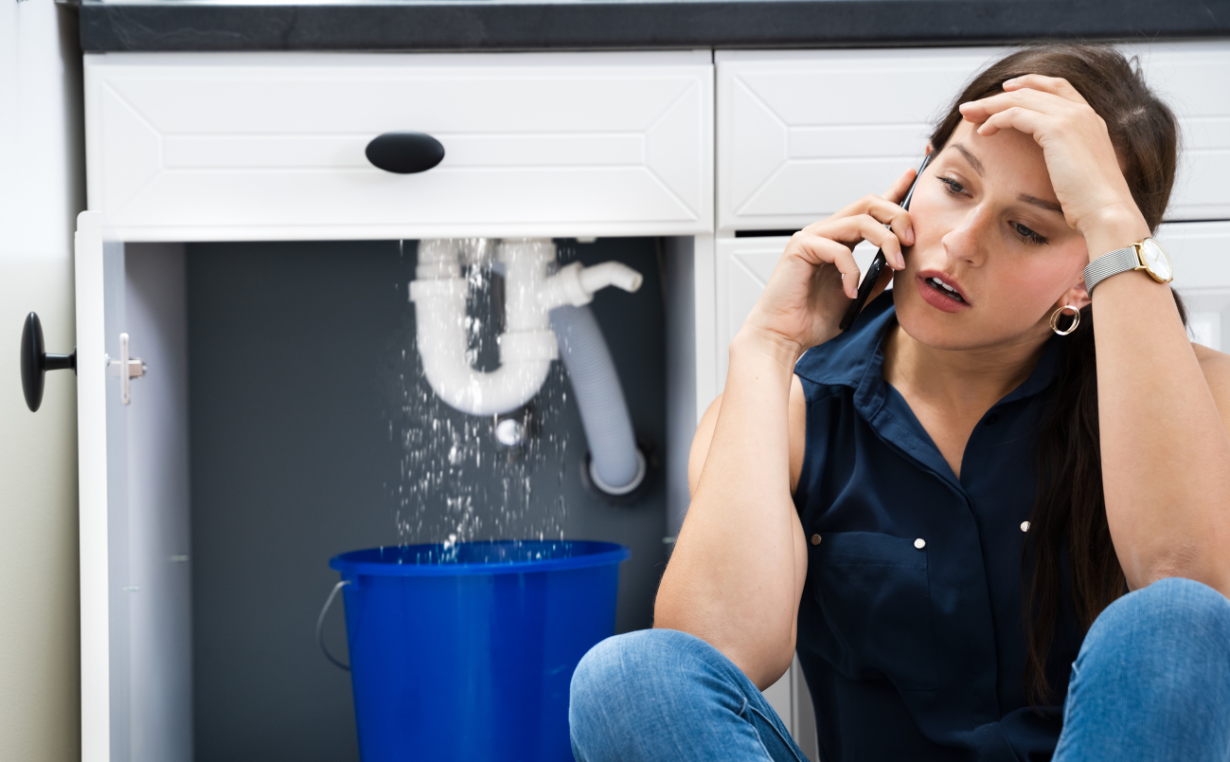
Modern homes and commercial buildings rely heavily on hidden plumbing systems that operate behind walls, under floors, and beneath concrete slabs. When something goes wrong in these concealed networks, the damage is often not immediately visible, which makes early identification extremely important. In many cases, property owners only notice a problem when water bills spike or damp patches appear.
In modern plumbing services, leak detection Cape Town specialists often work with advanced diagnostic tools to locate issues without unnecessary disruption to the property. This approach is significantly more efficient than traditional methods that relied on breaking through walls to trace pipework manually.
What makes water leaks particularly challenging is that they rarely present themselves in obvious ways at the beginning. Instead, they develop slowly over time, gradually affecting structural integrity, interior finishes, and even electrical systems if left unresolved.
The key to effective resolution is understanding how leaks form, how they behave in different environments, and which technologies allow professionals to identify them accurately without causing damage.
Understanding How Hidden Water Leaks Develop in Homes
Water leaks usually begin as small faults that are easy to overlook. A loose joint, corrosion in a pipe, or pressure fluctuations in the system can all contribute to slow water escape.
Over time, even minor leaks can escalate into serious structural issues. Moisture spreads through building materials, weakening plaster, timber, and concrete.
To understand how professionals approach these problems, it helps to break down the typical progression of a hidden leak:
- Initial fault occurs within a pipe or joint due to wear, pressure, or corrosion
- Water begins escaping at a slow rate, often unnoticed
- Moisture accumulates behind surfaces such as tiles or drywall
- Materials absorb water and begin to degrade structurally
- Visible symptoms such as stains, mold, or damp patches eventually appear
This progression highlights why early detection is so important. Once visible damage appears, the underlying issue has often been active for weeks or months.
Not all leaks are the same. Some occur in pressurised supply lines, while others originate in drainage systems. Each type requires a different diagnostic approach.
Even a small leak can waste thousands of litres of water annually, increasing utility costs and placing unnecessary strain on infrastructure.
Professional Leak Detection Methods Used in Modern Plumbing
Today’s plumbing professionals rely on technology-driven techniques rather than invasive inspection methods. The goal is to identify the precise location of a leak with minimal disruption to the property.
One of the most widely used approaches in leak detection Cape Town services is acoustic listening equipment. This technology amplifies the sound of escaping water within pipes, allowing technicians to pinpoint the source even when it is buried beneath concrete or behind walls.
Thermal imaging is another highly effective method. By detecting temperature variations in building surfaces, professionals can identify areas where moisture is present. Water typically alters surface temperature patterns, making hidden leaks easier to locate.
Pressure testing is also commonly used. In this method, sections of the plumbing system are isolated and monitored for pressure drops, which indicate a leak somewhere within that segment.
In many cases, professionals combine multiple tools to increase accuracy. This layered approach reduces guesswork and ensures that only the affected area is addressed.
The advantage of modern methods is clear: instead of tearing through walls or floors, technicians can locate issues with precision and minimal structural impact.
It is also worth noting that advanced diagnostics significantly reduce repair costs over time, as unnecessary demolition work is avoided.
Non-Destructive Technologies Professionals Rely On
Non-invasive detection methods have transformed the plumbing industry. These technologies allow specialists to investigate complex systems without causing property damage.
Infrared thermography is particularly useful in identifying moisture patterns behind surfaces. It highlights temperature anomalies that indicate trapped water.
Tracer gas detection is another advanced technique. A harmless gas is introduced into the pipe system, and sensitive sensors detect where it escapes, revealing the exact leak location.
Endoscopic pipe cameras are also widely used. These small cameras are inserted into plumbing systems to visually inspect internal conditions without excavation.
Each of these tools contributes to a more accurate and efficient diagnostic process. They also reduce the need for exploratory demolition, which can be costly and time-consuming.
Signs of Hidden Leaks Homeowners Should Not Ignore
Many leaks go unnoticed because the early warning signs are subtle. However, recognising these indicators can prevent serious damage and costly repairs.
One of the most common signs is an unexplained increase in water bills. Even a minor leak can significantly affect monthly usage.
Other indicators include damp smells, especially in enclosed spaces such as cupboards or under sinks. These odours often signal trapped moisture.
Visible mould growth is another red flag. While mould can develop for several reasons, persistent moisture from a leak is a frequent cause.
Homeowners should also pay attention to changes in water pressure. A sudden drop may indicate a breach in the system.
Discolouration on walls or ceilings is another important symptom. These stains often appear yellow or brown and expand over time.
Small cracks in paint or plaster can also indicate moisture behind surfaces.
Finally, warm or unusually cold spots on floors may suggest hidden pipe issues beneath the surface.
Preventing Future Water Damage and Reducing Risk
Preventative maintenance is one of the most effective ways to avoid costly plumbing emergencies. Regular inspections help identify small issues before they escalate.
Property owners should schedule routine system checks, especially in older buildings where pipework may be nearing the end of its lifespan.
Water pressure regulation is also important. Excessively high pressure places strain on pipes and fittings, increasing the likelihood of failure.
Simple maintenance habits can make a significant difference:
- Inspect visible pipes regularly for signs of corrosion or moisture
- Ensure outdoor plumbing is protected from extreme temperature changes
- Avoid chemical drain cleaners that may damage internal pipe surfaces
- Monitor water bills for unexpected increases
- Address small plumbing issues promptly before they worsen
- Keep gutters and drainage systems clear to prevent overflow pressure
In addition, investing in periodic professional assessments can provide early warnings that are not visible to the untrained eye.
A proactive approach is far more cost-effective than responding to emergency repairs after structural damage has already occurred.
Water systems are often taken for granted until something goes wrong. However, understanding how they function and how issues develop helps homeowners make better decisions about maintenance and repair.
Ultimately, careful monitoring and timely intervention remain the most reliable ways to protect both property and long-term infrastructure value.