
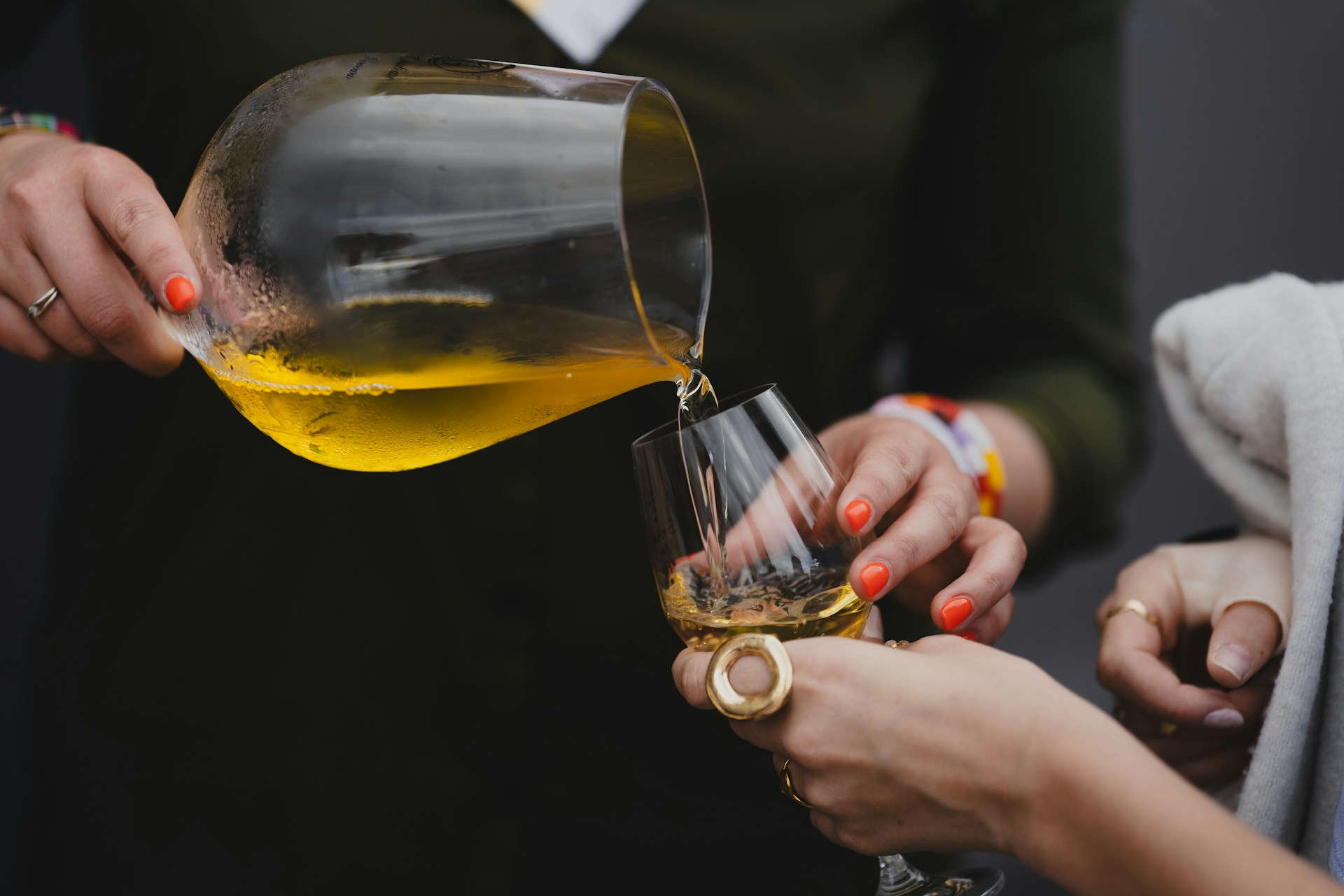
Wine tasting can feel intimidating at first. Swirling glasses, obscure flavour notes, and quiet nods from seasoned tasters often give the impression that wine appreciation is a skill reserved for experts. In reality, tasting wine is far more approachable than it appears, especially when you understand the basics and give yourself permission to learn through experience.
For beginners, wine tours offer an ideal environment to explore different styles, grape varieties, and winemaking philosophies without pressure. The setting is relaxed, the guidance is structured, and curiosity is encouraged. Regions with a strong wine culture tend to be especially welcoming to newcomers, as education and storytelling are often built into the experience.
Many first-time tasters choose destinations like Franschhoek wine tours because the area combines accessibility with depth. You are exposed to world-class wines while being gently introduced to tasting techniques, food pairings, and the language of wine, all in a way that feels engaging rather than overwhelming.
What a Wine Tour Teaches You That a Bottle at Home Cannot
Drinking wine at home is enjoyable, but it rarely provides context. On a guided tour, each glass is connected to a place, a process, and a purpose. You learn why certain grapes thrive in specific soils, how climate influences flavour, and what decisions a winemaker makes long before the wine reaches your glass.
Tours also help beginners slow down. Instead of drinking casually, you are encouraged to observe colour, aroma, texture, and finish. This structured approach builds awareness. Over time, patterns emerge, and wines stop tasting “the same.”
Another overlooked benefit is confidence. Hearing others describe what they taste reassures beginners that there is no single correct answer. Wine tasting becomes less about right or wrong and more about personal perception, which is essential for developing your own palate.
Understanding the Basics of Wine Tasting
Before focusing on advanced terminology, it helps to understand the fundamental steps involved in tasting. These steps are not rigid rules but practical tools that guide your attention.
The process typically begins with sight. Observing clarity, depth of colour, and viscosity can offer subtle clues about the wine’s age, body, and style. Swirling the glass releases aromas, making it easier to identify scents beyond alcohol.
Smell is where many beginners hesitate, yet it is also where the most information lies. Fruits, spices, floral notes, and earthy tones all appear here. Taste follows last, confirming or challenging what your nose detected. Texture, acidity, sweetness, tannins, and aftertaste all matter, even if you cannot name them precisely at first.
Developing Your Palate Without Overthinking It
One of the most common mistakes beginners make is trying too hard to identify exact flavours. Wine education often presents long lists of descriptors, which can feel daunting. In practice, palate development happens gradually and intuitively.
Start by asking simple questions. Is the wine light or heavy? Fresh or rich? Smooth or drying? These broad impressions are more useful than forcing specific comparisons. Over time, your vocabulary will expand naturally.
Repeating tastings also helps. Trying similar wines side by side reveals contrasts that might otherwise go unnoticed. This is where guided experiences, such as those found on Franschhoek wine tours, can be particularly valuable, as comparisons are often built into the itinerary without feeling academic.
The Step-by-Step Approach Most Professionals Follow
Professional tasters rely on a consistent framework, not exceptional senses. Beginners can adopt the same structure to bring clarity and confidence to each tasting experience.
-
Observe the wine carefully before tasting, noting colour intensity and movement in the glass.
-
Smell the wine more than once, allowing your nose to adjust and pick up layered aromas.
-
Take a small sip and let it coat your mouth, paying attention to texture and balance.
-
Reflect on how the wine finishes, including how long flavours linger after swallowing.
Using this sequence repeatedly trains your senses to work together. The goal is not memorisation but familiarity. With practice, this approach becomes second nature.
Common Tasting Terms Explained Simply
Wine language can sound complex, yet most terms describe familiar sensations. Acidity refers to freshness, similar to citrus juice. Tannins create a drying feeling, like strong tea. Body describes weight, ranging from light to full.
Sweetness is often misunderstood. Many wines that taste fruity are technically dry, meaning they contain little residual sugar. Alcohol contributes warmth, while balance describes how all elements work together without one dominating.
Understanding these concepts makes tasting notes easier to follow and conversations more enjoyable. You begin to recognise patterns instead of isolated impressions.
How Environment Influences What You Taste
Where and how you taste wine matters more than many beginners realise. Temperature, glassware, and even lighting can influence perception. Wines served too cold may seem muted, while overly warm wines can taste heavy or alcoholic.
The setting also plays a role. Vineyards and tasting rooms are designed to minimise distractions and enhance focus. This environment encourages mindfulness, making it easier to engage with each wine fully.
Guided experiences often control these variables, which is another reason structured tours are beneficial early on. By removing guesswork, they allow beginners to concentrate on learning rather than logistics.
Asking Questions Without Feeling Self-Conscious
Many first-time tasters hesitate to speak up, worried their questions may seem basic. In reality, wine professionals expect curiosity. Questions about grapes, ageing, food pairings, or even personal preferences are welcomed.
Asking questions deepens understanding and personalises the experience. It also helps guides tailor explanations to your level, making the tour more valuable. Over time, these conversations build familiarity with wine culture and terminology.
Confidence grows quickly when beginners realise that expertise in wine is shared generously, not guarded.
Food Pairing Insights for Beginners
Food and wine are closely connected, and tasting them together reveals how flavours interact. Beginners benefit from learning simple pairing principles rather than rigid rules.
Wine tours often include tastings with cheese, chocolate, or small plates, demonstrating contrast and complement. A crisp wine may cut through richness, while a fuller wine may echo savoury flavours.
These experiences train your palate beyond isolated tasting, showing how wine behaves in real-life dining situations.
Building Long-Term Confidence as a Wine Drinker
The true value of a beginner-friendly tour extends beyond the day itself. Skills learned during tastings translate directly to choosing wine at restaurants, shops, or social gatherings. Labels become less intimidating, and preferences become clearer.
Exposure to different styles helps refine taste, even if you do not remember every detail. What stays with you is a sense of orientation. You know how to approach a new wine thoughtfully, without anxiety.
Experiences such as Franschhoek wine tours often serve as a foundation rather than a one-time activity. They introduce a mindset of curiosity, patience, and enjoyment that continues long after the final tasting, making wine appreciation an accessible and rewarding part of everyday life.